
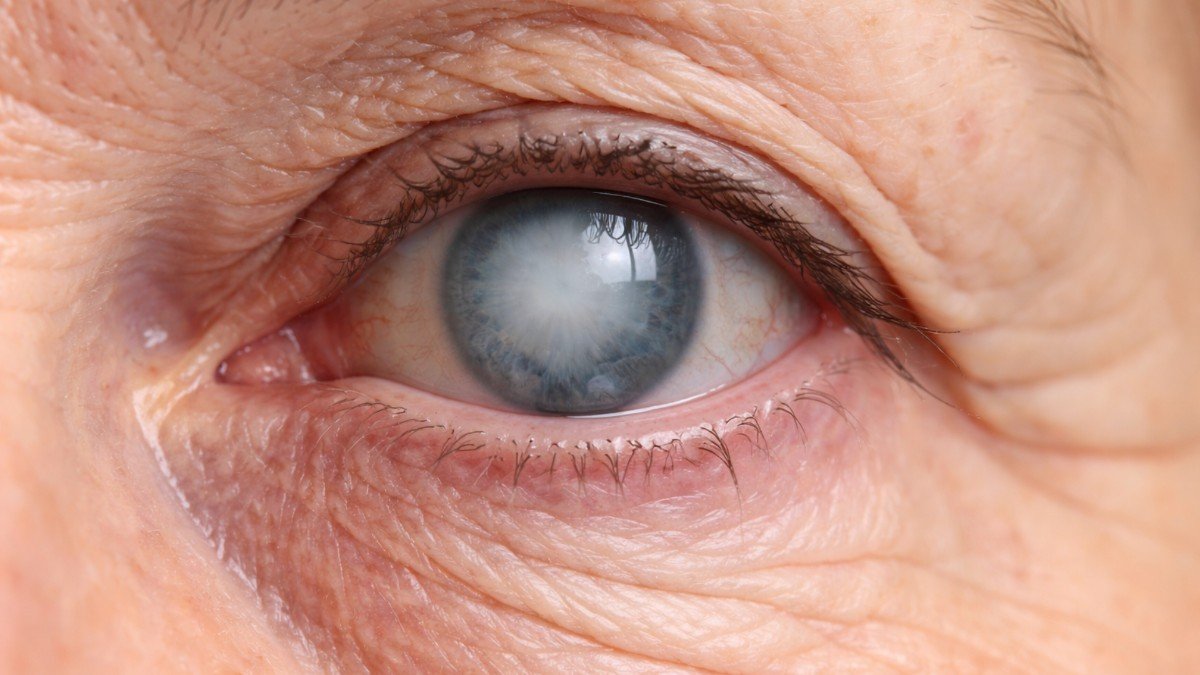
Cataract is one of the most common causes of gradually worsening vision, particularly with increasing age. It occurs when the natural lens of the eye becomes cloudy, affecting the way light reaches the retina.
What Does a Cataract Feel Like?
Cataracts usually develop gradually. You may notice:
- Blurred or cloudy vision
- Difficulty seeing at night
- Increased sensitivity to bright lights
- Glare around headlights
- Faded or less vivid colours
- Difficulty reading or performing routine activities
- Frequent changes in spectacle prescription
Sometimes cataracts can progress slowly, so a person may not immediately realise that their vision has changed.
How Is Cataract Diagnosed?
A comprehensive eye examination allows the ophthalmologist to assess the lens and the overall health of the eye. Depending on the patient’s condition, additional examinations may be recommended to evaluate the retina and other structures of the eye.
Is Cataract Surgery Always Necessary Immediately?
Not necessarily.
The decision for surgery depends on how much the cataract is affecting your vision and daily activities, along with the overall health of the eye.
When cataract significantly interferes with reading, driving, work or other routine activities, surgery may be considered.
What Happens During Cataract Surgery?
Modern cataract surgery involves removing the cloudy natural lens and replacing it with an artificial intraocular lens (IOL).
The choice of IOL depends on several factors, including the patient’s eye measurements, visual requirements, lifestyle and overall eye health.
The Important Part: Choosing the Right Treatment
Every patient’s eyes are different. Cataract surgery should therefore begin with a detailed evaluation and a discussion about the most appropriate treatment and lens option.
Clear vision starts with the right diagnosis, careful planning and personalised care.